
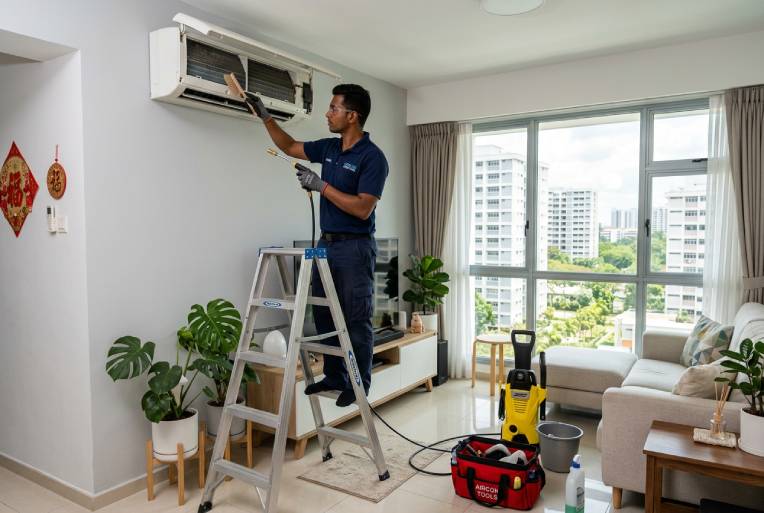
Singapore’s hot and humid weather makes air conditioning an important part of everyday life. Many households use their aircon every night, while others keep it running for long hours during weekends, work-from-home days or especially warm periods.
As aircon usage increases, homeowners may begin wondering: How often to service aircon Singapore homes during hot and humid months?
For most residential air conditioners, professional servicing every three to four months is a practical starting point. However, aircon units that operate for many hours every day may need attention every one to two months. Units used only occasionally may be serviced less frequently, provided they remain clean and continue operating properly.
The right schedule should not depend on the weather alone. It should also consider how frequently the system is used, the number of occupants in the home, the age of the equipment and whether the aircon is already showing signs of reduced performance.
Why Hot and Humid Weather Affects Your Aircon
Singapore’s tropical climate remains warm and humid throughout most of the year. During particularly hot periods, air conditioners often run for longer hours and work harder to reach the temperature selected on the remote control.
An aircon system does more than cool the air. It also removes moisture from the indoor environment. When humidity levels are high, condensation forms on the evaporator coil and flows into the drainage system. Dust, moisture and regular usage can gradually create conditions where dirt, slime and mould accumulate inside the unit.
Heavy usage can therefore contribute to several common problems:
- Filters becoming dirty more quickly
- Reduced airflow from the indoor unit
- Drainage pipes becoming blocked
- Water dripping or leaking from the aircon
- Musty or unpleasant smells
- Longer cooling times
- Increased strain on internal components
These problems do not mean that every aircon needs an immediate chemical treatment. In many cases, timely normal servicing can remove surface dirt, clean important components and identify developing issues before they become more serious.
How Often to Service Aircon Singapore Homes Based on Usage
There is no single servicing interval that suits every household. Two homes may have the same aircon model but require different maintenance schedules because their usage patterns are different.
The following guidelines provide a useful starting point.
Aircon Used Every Night
Bedroom air conditioners that operate for approximately six to eight hours every night should generally be serviced every three months.
Nightly use allows dust to build up steadily on filters, cooling coils and blower components. Servicing once every quarter can help maintain airflow and reduce the likelihood of water leakage, weak cooling or unpleasant smells.
Homeowners should still clean washable filters between servicing appointments when necessary. Filter cleaning can support performance, but it does not replace professional maintenance because dirt may also collect deeper inside the unit.
Aircon Used for Long Hours Daily
Homes that use air conditioning for ten hours or more each day may benefit from servicing every one to two months.
This is particularly relevant for:
- People who work from home
- Families with young children or elderly residents
- Households that use aircon throughout the afternoon and night
- Rooms with frequent door opening
- Homes with several occupants sharing the same space
Long operating hours usually mean the aircon processes more air and captures more dust. Waiting too long between appointments may allow airflow restrictions or drainage issues to develop.
Aircon Used Only a Few Times a Week
An air conditioner used occasionally may only need professional servicing every four to six months.
However, infrequent use does not mean the unit can be ignored completely. Dust can still settle on filters and internal surfaces while the aircon is switched off. Moisture left inside the system may also contribute to stale or musty smells when the unit is turned on again.
Before a period of heavier use, such as during warmer months or when guests are staying over, it may be useful to arrange an inspection and cleaning.
Aircon in Rental or Shared Properties
Aircon units in rental homes, shared apartments and worker accommodation may require servicing every two to three months.
Different users may select lower temperatures, leave the system running for extended periods or overlook filter cleaning. A regular maintenance schedule gives landlords and property managers a more consistent way to protect the equipment and reduce disputes over cooling problems.
The tenancy agreement should clearly state who is responsible for arranging and paying for routine servicing.
Should You Service Your Aircon More Often During Hot Months?
You may need to shorten the servicing interval when your aircon usage increases significantly.
For example, a household that normally uses the aircon for four hours each night may begin operating it for eight to ten hours during a particularly warm period. Even though the unit previously performed well with servicing every four months, the heavier usage may justify moving to a three-month or even two-month schedule.
The calendar alone should not determine maintenance. Monitor how the system behaves between appointments. If the airflow becomes weaker, the room takes longer to cool or the unit starts producing an odour, it may need attention earlier than expected.
A flexible schedule based on actual usage is usually more effective than waiting for the same fixed date every year.
Signs Your Current Servicing Schedule Is Not Frequent Enough
Your aircon may show warning signs when dirt, moisture or mechanical issues begin affecting its performance.
One common sign is poor cooling. The room may still become cool eventually, but the process takes much longer than before. You may also notice that the air coming from the unit feels weaker, even when the fan speed is set to high.
Water leakage is another important warning sign. A blocked drainage pipe, dirty evaporator coil or damaged drainage component may cause water to drip from the indoor unit. The problem should be inspected rather than managed by placing a towel or container underneath the leak.
Other signs include:
- Musty or sour smells
- Rattling, buzzing or grinding sounds
- Ice forming on the indoor unit
- Frequent automatic shutdowns
- Uneven cooling across the room
- Unexpected increases in electricity usage
- Dust being blown from the aircon
These symptoms do not always indicate the same problem. Professional aircon troubleshooting can help determine whether the unit needs normal servicing, repair work or a deeper cleaning treatment.
What Happens During Normal Aircon Servicing?
Normal aircon servicing is intended to keep the system clean, functional and reliable. The exact work may vary depending on the service provider and the condition of the unit.
A typical appointment may involve cleaning the filters, checking the evaporator coil, clearing the drainage system, wiping accessible components and examining the overall operation of the aircon.
The technician may also check for:
- Unusual operating sounds
- Drainage problems
- Weak airflow
- Cooling inconsistencies
- Loose electrical connections
- Visible signs of refrigerant leakage
Regular servicing is useful because it gives technicians an opportunity to identify minor problems before they result in a complete breakdown.
However, normal servicing may not remove deeply embedded dirt from heavily contaminated components. If the unit remains dirty or performs poorly after routine cleaning, a more intensive service may be recommended.
When Is a Chemical Wash or Chemical Overhaul Needed?
A chemical wash is different from regular servicing. It uses an appropriate cleaning solution to remove stubborn dirt and buildup from internal aircon components.
It may be considered when the unit has:
- Persistent weak airflow
- Dirt that cannot be removed through normal cleaning
- Recurring drainage blockages
- Strong unpleasant smells
- Reduced cooling performance
An aircon chemical overhaul is generally a more extensive process. It may involve dismantling key components so they can be cleaned more thoroughly. This type of service is usually considered when the system has severe contamination or continuing problems that normal servicing cannot resolve.
Chemical cleaning should not automatically be scheduled every time the weather becomes hot. The technician should first inspect the aircon and recommend the service based on its actual condition.
How Humidity Contributes to Water Leakage and Odours
Humidity increases the amount of moisture an air conditioner must remove from indoor air. This moisture normally collects on the cooling coil and drains through a pipe.
When dust mixes with condensation, it can create sticky buildup inside the drainage tray or pipe. Over time, this may slow down water flow and eventually cause an aircon leaking water problem.
Moist internal surfaces can also support the growth of mould and bacteria, contributing to musty smells when the aircon operates.
Regular cleaning helps reduce this buildup, but homeowners can also support the system by keeping filters clean and ensuring the indoor unit is not obstructed by curtains, furniture or stored items.
A persistent smell or repeated leakage should be professionally inspected. Simply cleaning the filter may not solve a blockage located deeper inside the drainage system.
Can Regular Servicing Help Control Electricity Usage?
A dirty aircon may need to operate for longer periods to cool the same room. Restricted airflow, dusty coils and poorly maintained components can reduce efficiency and place additional strain on the system.
Regular servicing cannot change the original efficiency rating of an air conditioner, but it can help the unit operate closer to its intended condition.
Homeowners can also manage electricity usage by:
- Setting a reasonable temperature
- Closing doors and windows while the aircon is running
- Using curtains or blinds to reduce afternoon heat
- Cleaning filters when they become dusty
- Using a fan to circulate cooled air
- Switching the aircon off when the room is empty
The National Environment Agency recommends checking aircon filters monthly and cleaning or replacing them when necessary. It also recommends regular servicing and an annual inspection.
How to Create a Practical Aircon Servicing Schedule
Start by listing every aircon unit in your home and estimating how many hours each one operates per week. You may discover that the bedroom unit needs servicing more frequently than the guest-room unit.
A practical household schedule could look like this:
- Heavy daily usage: every one to two months
- Regular nightly usage: every three months
- Moderate usage: every three to four months
- Occasional usage: every four to six months
- Professional system inspection: at least once a year
These intervals are guidelines rather than strict rules. The aircon’s condition, age, environment and maintenance history should also be considered.
Homes near construction activity, busy roads or dusty surroundings may require more frequent cleaning. Households with pets may also notice filters becoming dirty more quickly because of fur and airborne particles.
Do Older Aircon Units Need More Frequent Servicing?
Older air conditioners may need closer monitoring, especially if they have a history of water leakage, noisy operation or inconsistent cooling.
Components can wear down over time, while accumulated dirt may be more difficult to remove. An older system might continue operating after routine servicing but still require occasional repairs or part replacement.
Increasing the servicing frequency may help identify problems earlier, but it cannot reverse mechanical wear. When repair costs become frequent or the unit struggles to cool the room efficiently, it may be more practical to discuss aircon installation and replacement options.
A qualified technician can assess whether continued servicing remains economical or whether a newer system would provide better long-term reliability.
How Often to Service Aircon Singapore Businesses and Offices
Commercial air conditioners often operate for longer hours than residential units. Offices, retail shops, clinics and other workplaces may run their systems throughout the working day.
Depending on operating hours and occupant traffic, commercial units may require monthly or bi-monthly servicing. Businesses should also consider the type of premises, the number of indoor units and whether the system serves areas with high dust, cooking fumes or frequent customer movement.
Planned commercial aircon servicing can reduce the likelihood of unexpected breakdowns that disrupt employees or customers.
The maintenance schedule should be based on professional assessment rather than applying a residential servicing interval to every commercial system.
H2: Choosing the Right Servicing Frequency for Your Home
When deciding how often to service aircon Singapore households should consider actual usage, not just the number of months since the last appointment.
A lightly used guest-room unit may remain in good condition for several months, while an aircon running every day may require much more frequent attention. During hot and humid periods, monitor the system closely and bring the next servicing appointment forward if performance begins to decline.
Regular servicing can help maintain cooling comfort, cleaner airflow and more reliable operation. It also provides an opportunity to detect leakage, drainage blockages and worn components before they become more difficult to manage.
Keep Your Aircon Ready for Singapore’s Hot Weather
Hot and humid conditions can place additional demand on an air conditioning system, particularly when it is used for long hours every day.
As a general guide, arrange servicing every three months for regularly used residential units and every one to two months for heavily used systems. Occasionally used units may be serviced every four to six months, although they should still be checked for dust, odours and drainage issues.
Smart Cool provides normal aircon servicing, chemical wash, chemical overhaul, gas top-up, troubleshooting, repair and installation services for residential and commercial properties in Singapore.
If your aircon is taking longer to cool, leaking water or producing unusual smells, arrange an inspection instead of waiting for the next scheduled appointment. A servicing plan matched to your usage can help keep your aircon dependable throughout Singapore’s hot and humid months.